I’ve posted below an extract from a PIP assessment recording I made.
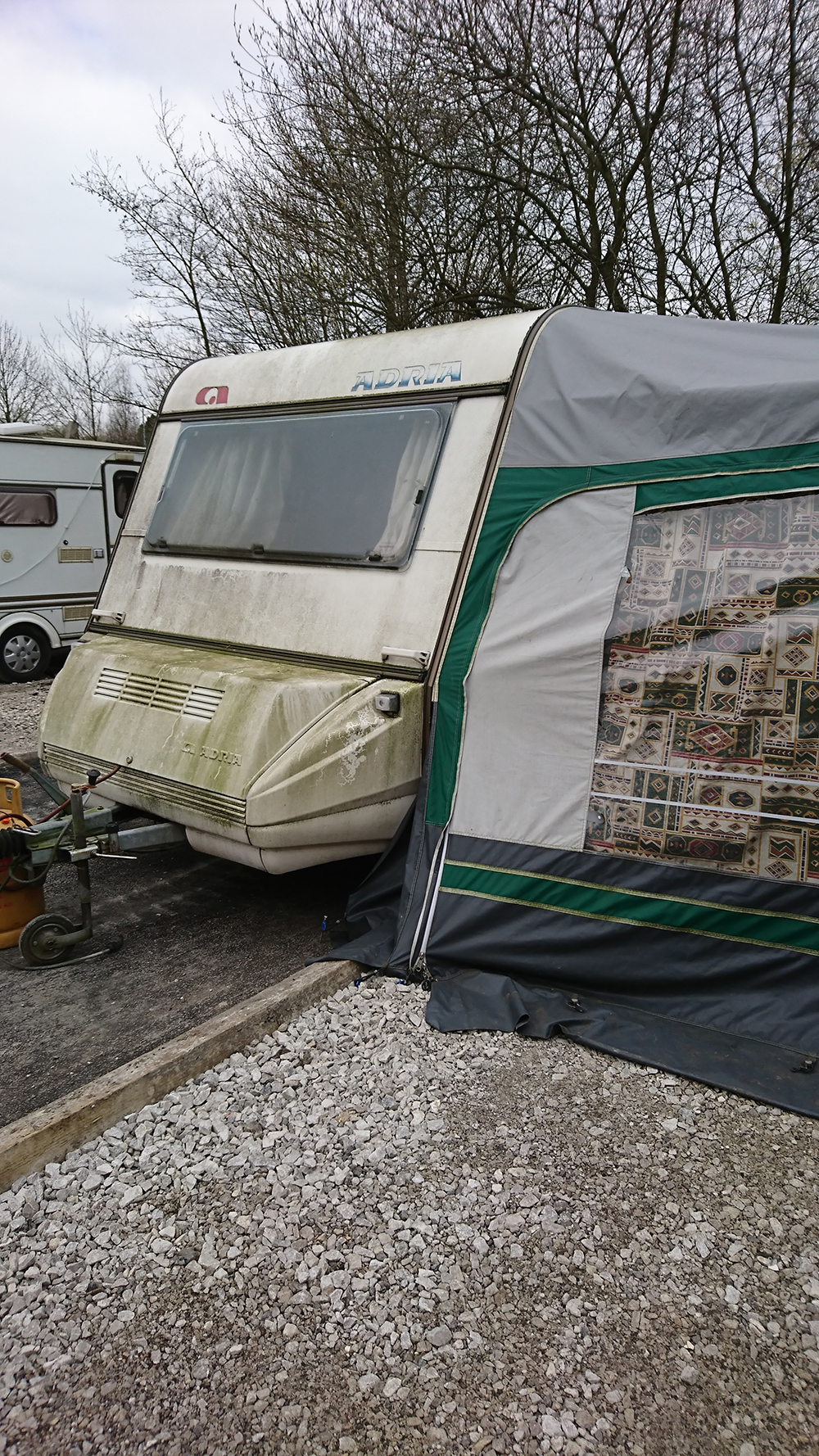
Paul’s caravan – exterior
It shows that some Personal Independence Payment assessors have no idea what extreme poverty in our so-called modern era looks like.
It shows that some PIP assessors don’t know – or don’t believe – that such poverty and need exists.
That is a problem. These assessors make judgments on sick and disabled people’s eligibility for much-needed benefits.
They’re at a dangerous remove, because they carry out these assessments behind a desk.
They judge people’s needs by reading through a computer checklist in a room in an assessment centre.
As poverty worsens, that remove tells more and more.
I attended this PIP assessment a bit over a year ago in Rochdale with Paul, who was in his 60s.
Paul had a serious heart condition, chronic kidney disease and mobility difficulties. He’d had a pulmonary embolism.
He was also homeless. He lived in a tiny old caravan on a concrete site in Oldham.
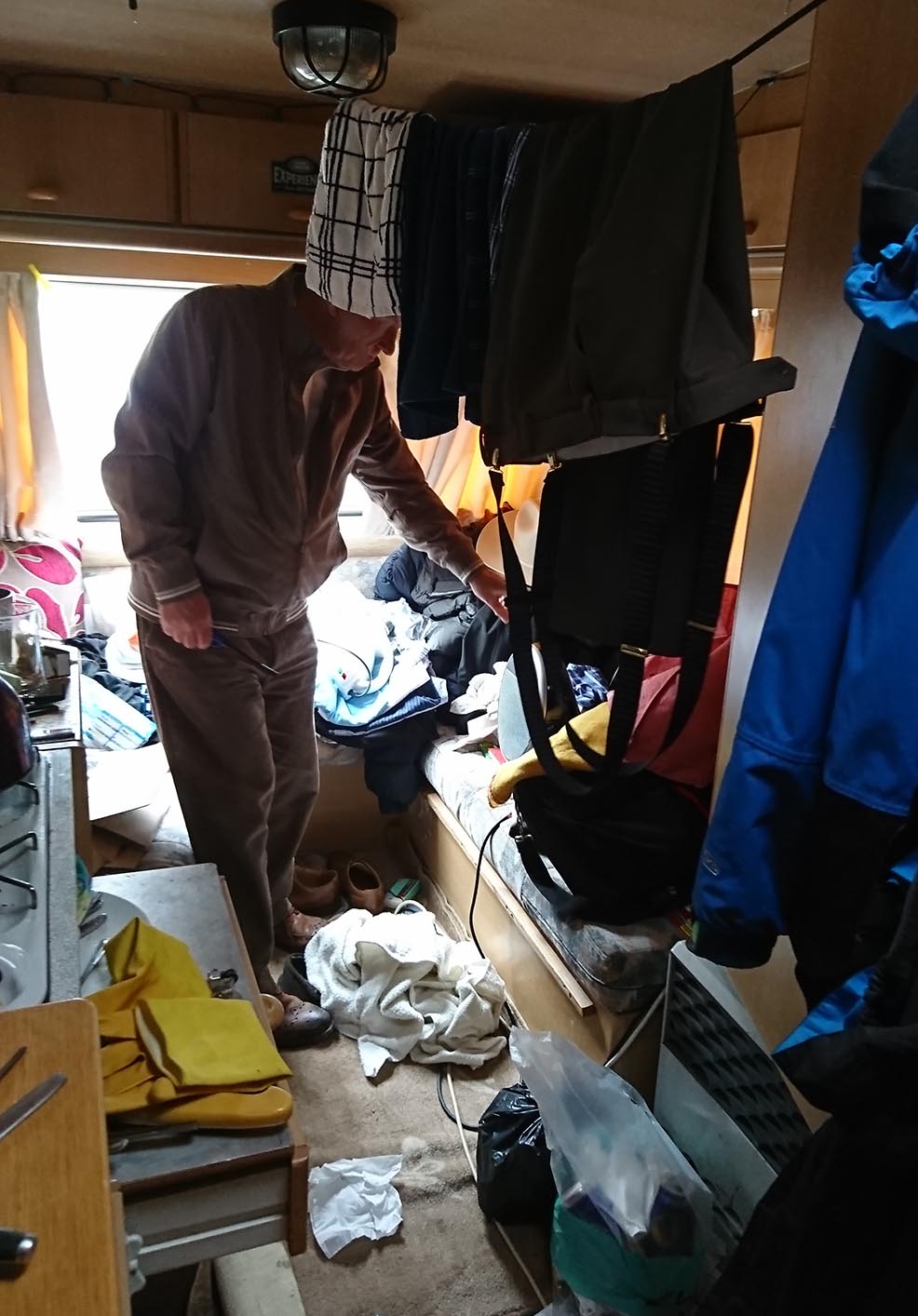
Paul in his caravan
The problem? The PIP assessor had NO idea what such homelessness meant. I was struck by this. You can’t judge people’s needs if you can’t fathom their lives. You certainly can’t judge people’s needs if the assessment system you’re using doesn’t account for poverty.
Two things:
– the assessor expressed straight-out disbelief about Paul’s accommodation (“a caravan?” you’ll hear him ask with surprise in the audio below)
– the assessor showed a startling lack of imagination about the limits of such a caravan. He asked if there was a shower in the caravan.
He kept asking Paul what disability adaptions and aids he had in the caravan. You can see from the photos that the answers were No and None. Paul barely had four walls.
So.
I find this too often with so-called professionals who assess people in poverty for much-needed sickness and disability benefits.
Bottom line is that assessors think that people in poverty have more than people actually do. They give every indication of thinking that people are better supported than people are. There’s a sense that the default position is that people are coping.
There was certainly a sense here that people who were sick or disabled and homeless simply couldn’t fall below a certain line.

Stove in the caravan
The fact that Paul didn’t have adaptations because he was literally living in a tin can without even a bucket for a toilet in it wasn’t on the radar.
Made you wonder if PIP assessors asked the same questions of homeless people who lived in tents.
The PIP assessor even asked if social services had been around to see Paul’s caravan could be adapted.
I think the assessor wanted to see an occupational therapy report – he wanted proof that Paul needed help and should get PIP because of that.
Assessors are obsessed with formal reports and pieces of paper – the certificates and reports that cost money, require ID and are harder and harder to get for people who are pushed to the fringes.
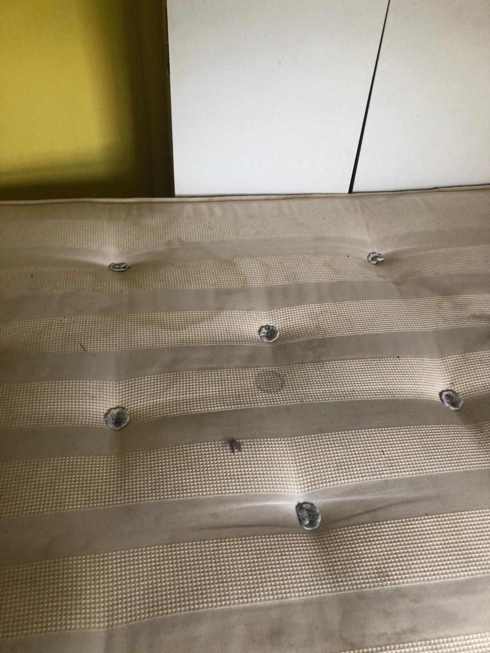
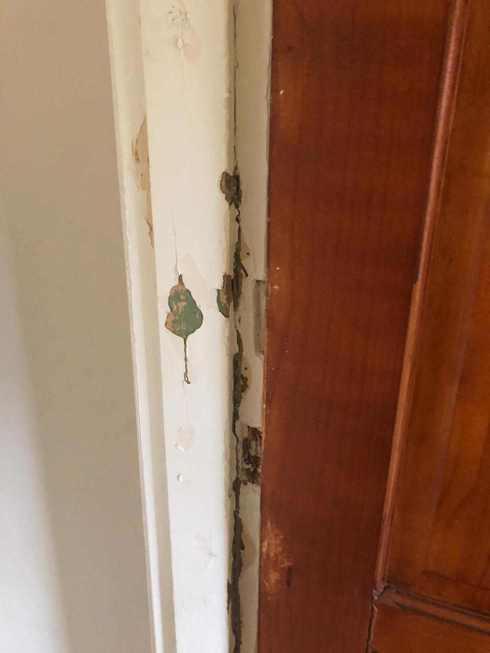
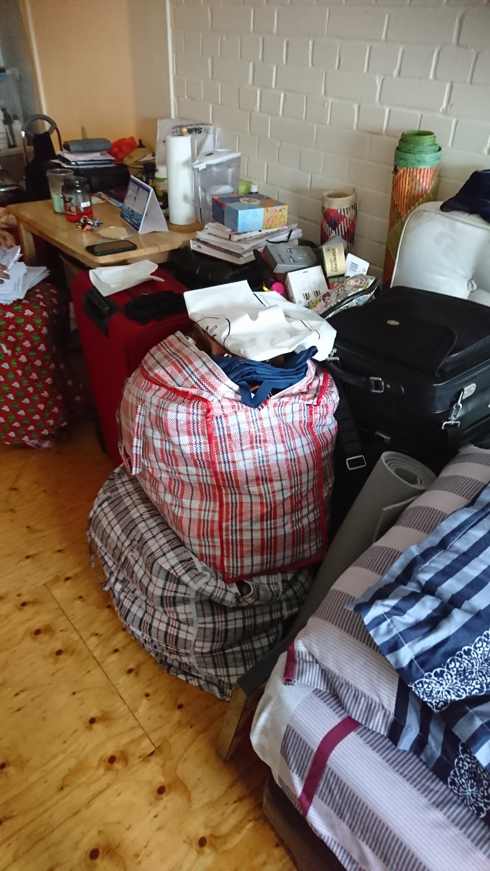
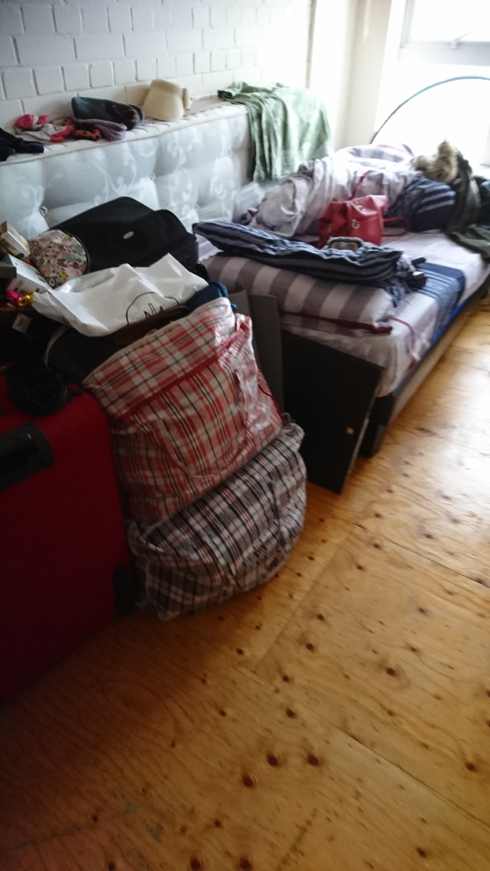
Paul’s caravan was as basic as caravans get. It was old, tiny, broken down and cramped. The caravan was so small that Paul couldn’t stretch out on the interior ledge that served as a bed. You couldn’t lean on the walls, let alone fit a handrail to them.
The caravan had no toilet or shower. There was a toilet and shower block on the Oldham site where the caravan was parked. Paul had to use that.
I realise that questions about adaptions and aids are usually asked at PIP assessments, but I wondered what the assessor was seeing in his mind: Paul living in a nice two-deck Winnebago in which you might fit a wet shower and a stairlift?
Here’s the conversation:
Assessor: The home that you’re living in – what would you describe it as?
Paul: I’m homeless…
Assessor: Homeless. Right. You do not live in a house at all?
Paul: I actually live in a caravan.
Assessor: Caravan. Caravan…? Caravan. Now, in the home do you use any aids or adaptations that are there for you…? What are they?
Paul: If I lived in a house, then I would be needing preferably a bungalow so there are no stairs…if I lived in a bungalow, I need a walk-in shower and preferably a seat to sit on…
Assessor: Yeah, but in answer to the question that I asked. Do you have any aids at the moment…
Paul: I have elbow crutches…
Assessor: Elbow crutches. Anything else?
Paul: No
Assessor: Have you been assessed by social services… or anyone that has been around to your caravan to see if there’s anything that they could do for you…
Paul: No
Assessor: When you wash, is there a shower in this caravan?
Paul: No…There’s a shower on site, there is a shower block…
Assessor: All right. There’s a shower you use in the shower block.”
—–
Etc
—-
The post below is an excerpt from a series of covert PIP and ESA recordings I’ve made in austerity.
The transcribing of these recordings will form part of an interview and assessment collection made possible thanks to a Barry Amiel & Norman Melburn Trust grant.