The aim of this post is to show you what it’s like when a person tries to get help from a council when that person is threatened with homelessness.
As you’ll know, there’s been a lot of discussion about the realities of these council systems after Grenfell.
I want to give you an idea of the shambolic and often startlingly unhelpful council bureaucracies that people must use when they need help to find a place to live. I want to show you the system as people who must use it see it. We live in an era of massively oversubscribed and under-resourced council homelessness offices (god knows I wouldn’t want to work as a frontline council homelessness officer these days). We also live in an era where big councils are very keen push poorer people out to live in cheaper areas, because housing benefit doesn’t cover private rents in expensive areas. These things show.
To the story, then. This is one person talking about the systems she’s experienced:
 In the past few weeks, I’ve been talking with a 32-year-old Newham woman called Chantelle Dean. For much of this year, Chantelle has been threatened with eviction and homelessness. She tells a story that will be very familiar to anyone on this circuit.
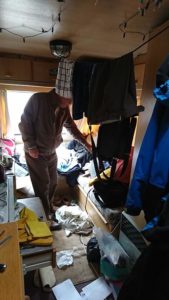
Chantelle lives in a small, rickety, two-bedroom rented flat in Newham. Rodents and cockroaches are a problem, as they often are in houses in cramped, older rows. There are gaps in walls which rodents use as entry-points: “the [exterminator] guy said no matter how much foam they put in, the mice are going to be coming through. It’s so old and there are so many holes,” Chantelle said. I’ve posted photos of the anti-mouse plastic foam the exterminator sprayed into wall-holes below.
Chantelle has a three-year-old son. She was placed in her flat about three years ago by Newham council after working her way through family problems and contact with social services. Chantelle receives Income Support. She plans to find work when her son starts nursery in September. She said she’s applied for jobs. Her mother lives nearby and can provide free childcare. That’s the plan.
Unfortunately, the plan is threatened by Chantelle’s precarious housing situation.
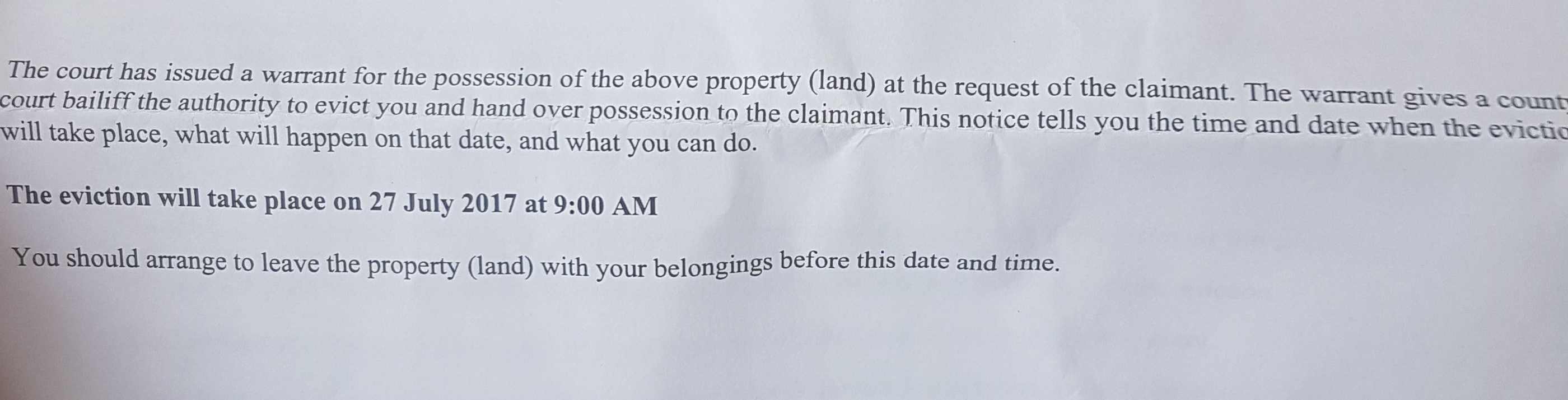
Chantelle is about to be evicted from her flat. As of Friday last week when we met at her flat, she still had nowhere to go when eviction day comes. She’d been trying to sort the problem out for months. (Chantelle managed to get another meeting with the council this week, so I’ll update this post if there’s progress to report).
The trouble began at the start of this year when Chantelle’s landlord gave her a notice to tell her that she had to leave the property (a section 21 notice, I think. I don’t mind saying the paperwork that comes with these things confuses me as well). She had to leave the flat by March.
She was very upset about this, as well she might be.
Chantelle went to the Newham Council Housing Needs office in East Ham in January to tell the council about the notice and to ask for help find another flat in the area. This is where things began to get messy, as they do.
Chantelle said the council told her that the council couldn’t help until the day that she was actually evicted from the flat – when the bailiffs turned up at her door, as she understood it. She said she was advised to stay in the flat and to wait to receive a possession order – which, I gather, is the next stage in the so-called system (the possession order is mentioned in the officer email below). This was, needless to say, of concern. Chantelle wanted help as soon as possible. She wasn’t keen to wait until bailiffs hammered at the door. She was also worried that she’d end up with court fines and costs if things went as far as possession orders and bailiffs (this is exactly what happened, as you’ll see).
She said that getting anyone to listen was extremely difficult. Noting this frustration is important. People constantly report this sort of frustration with frontline services:
“All they [the council] repeat is that, “we’re not going to help you until you get the bailiff’s warrant.” Once you get that, you come back up here [to the East Ham housing office] and give it to her, my caseworker, and then she will give me an appointment at [Newham Council’s] Bridge House on the day when the letter says that the bailiffs will come. Anything from that – they don’t want to talk to you. They don’t want to see you. Anything.”
Continue reading →

 People are