More life and political views from people who must rely on benefits:
Posted below is a transcript of a recorded interview made recently with Michael (named changed on request). Michael is in his mid-50s. We made this recording at a foodbank and kitchen lunch in the Manchester area in February (Michael asked for his details to be kept anonymous).
Most weeks, I spend several hours at foodbanks and kitchen lunches recording interviews with people who rely exclusively on benefits. In the mainstream press and politics, we hear a lot about Just About Managing Families and the Squeezed Middle, and other groups that have some political clout. We hear less from people who are marginalised and considered irrelevant. That’s a pity, because people who are considered irrelevant have a lot of relevant experiences, particularly when it comes to dealing first-hand with fallout from welfare reform. We talk about everything at our meetings: homelessness, housing, money, work, politics, Brexit, drug and alcohol addiction, mental health, family and the DWP.
Michael talked about most of those things.
He was particularly concerned about his living arrangements.
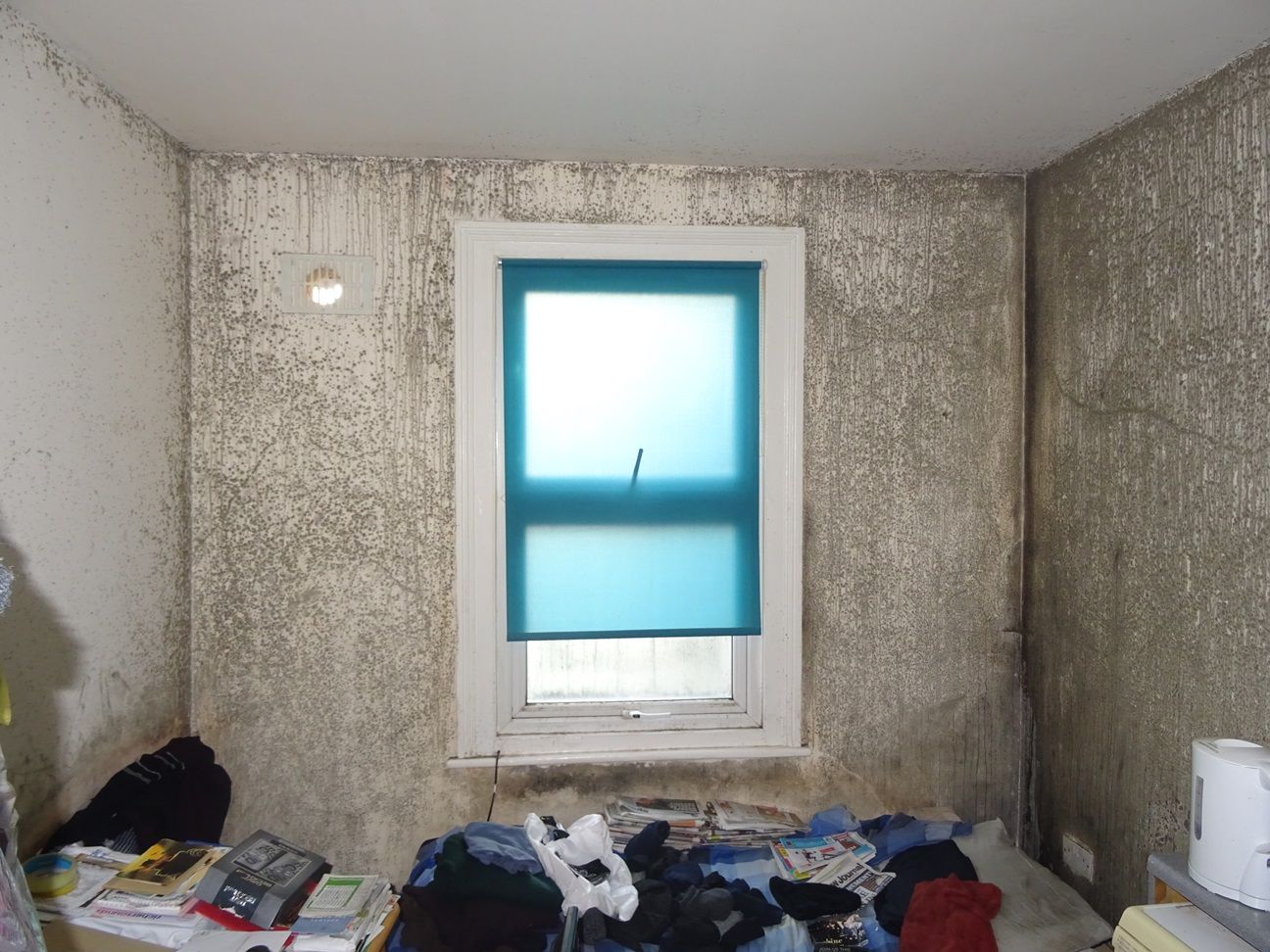
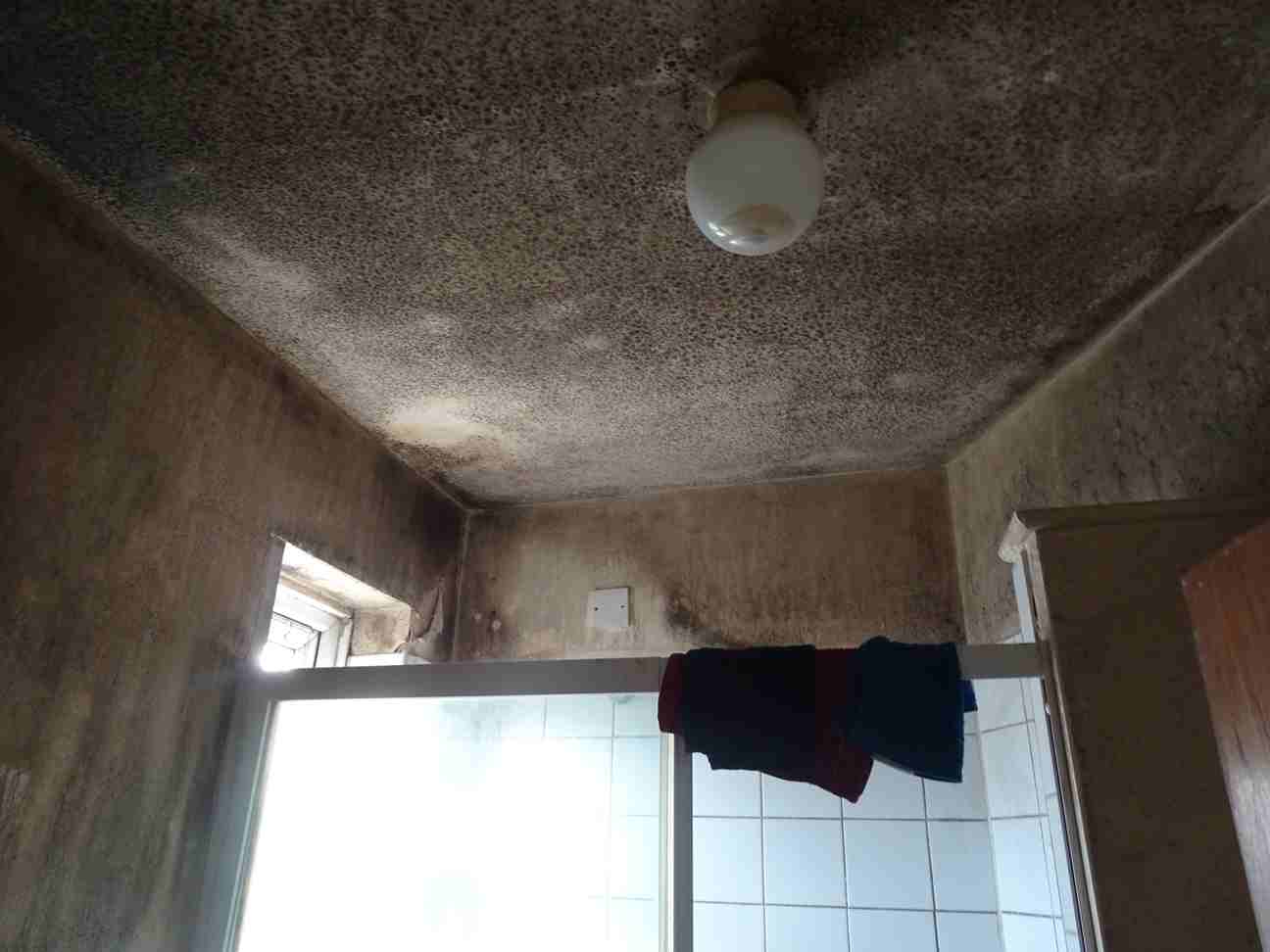
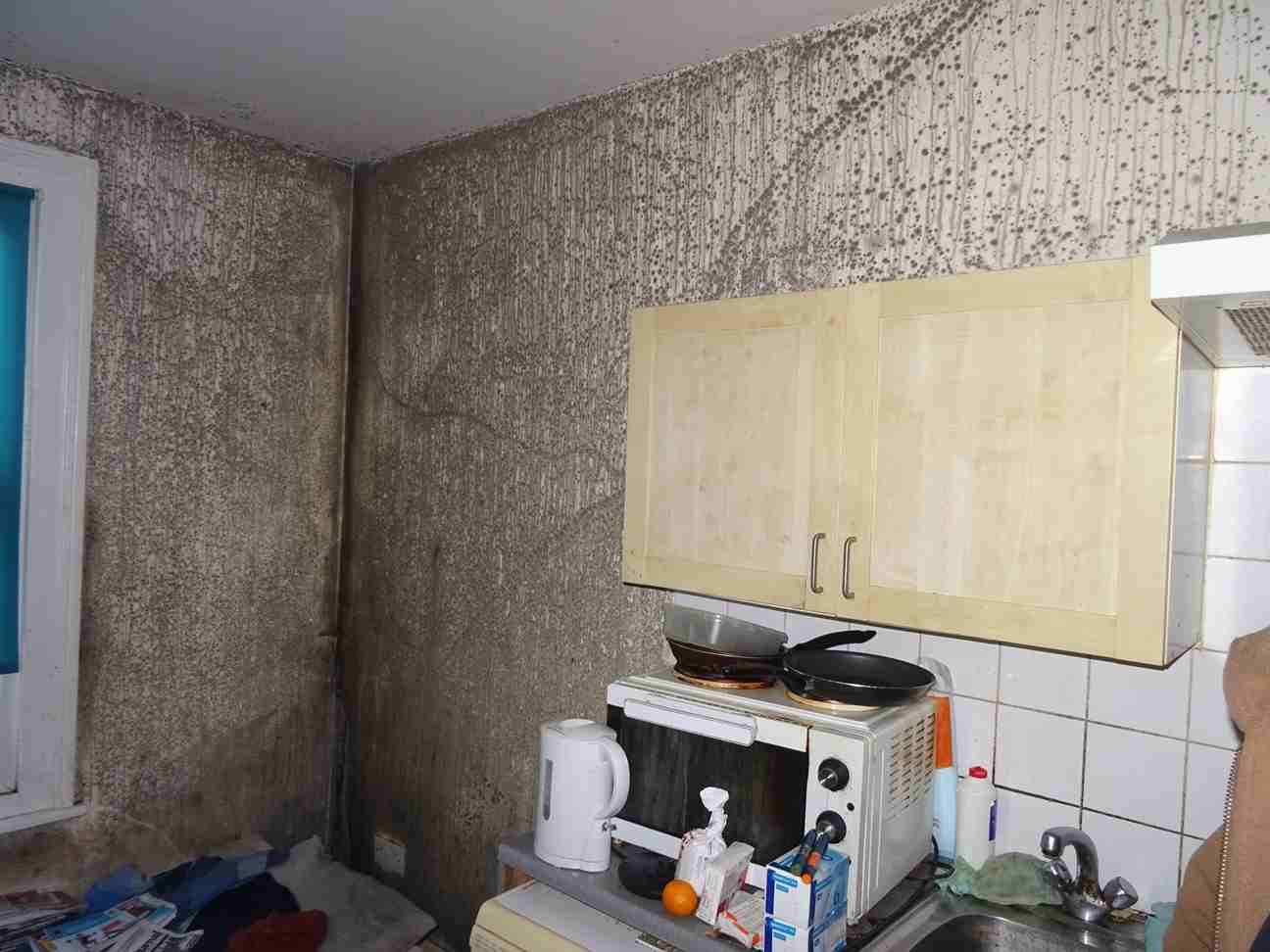
Michael had recently been street homeless. He’d even stayed on the floor of his local church for a time. A few months ago, he was placed in a flat on an estate by his local homelessness office. He liked the flat, but wanted to move. He wanted to get away from another drinker on the estate. He said that his neighbours bullied him, because they thought he was a nark.
Michael said people thought this because he spent a lot of time in the company of a copper. (I wasn’t sure if Michael meant a copper, or a community support officer, or another sort of volunteer. People deal with countless agencies and support workers. Wires get crossed). There may have been other problems, but Michael didn’t volunteer them. He said the policeman worked with a local community partnership. This support worker sometimes took Michael to benefits assessments and GP appointments. He helped Michael fill in benefit application forms.
Michael received Employment and Support Allowance. He’d had a serious heart attack a couple of years ago. Michael said that money was tight. He couldn’t afford to run the heating at his flat for more than half-an-hour a day. He wore many layers of clothing on the day that we met: a shirt, several sweatshirts and his coat. The clothes were dirty. He said he wore the clothes to bed for the warmth.
Michael was informed and eloquent. He read the papers. He said he had a degree and had worked in different parts of the world in well-paid professions. He’d lived in Asia for years and knew a great deal about different countries there. He’d also had a serious drink problem for years. In recent times, the booze had caught up with him, as it does when people reach 40 or 50. The pancreas goes, the liver goes, the heart goes, the balance goes and the mental health goes. The money’s gone. People talk a lot about things they did and things they say they did. Michael was still drinking. He looked unwell. His face was pale and pouchy, and his hands trembled. He held them out to show me. He looked sick with hangover and he probably was. It was good to know that he was at least housed and had some money coming in. Alcohol is such a wrecker. There’s nothing much left at the end.
We talked about the booze, Michael’s heart attack and his homelessness, government, Brexit (“the most unfortunate thing is that David Cameron ended… George Osborne…they were rebuilding the economy, doing a fantastic job,”) and his fears for his safety in the neighbourhood he’d been placed in. Being pegged as a nark weighed heavily on Michael’s mind.
This is the story that Michael told. This is the sort of conversation I have with someone every week or so. Michael began by talking about the way his relationship with the copper had come about:
“When I went to hospital [for a recent appointment, because of Michael’s health problems after his heart attack] – they’ve got a new community support team there. You’ve got the housing company, the health people, [the] council and the police. They all work together in a team in this unit.
A policeman is my designated support worker. He’s plainclothes CID, quite senior, but he’s a really nice bloke and we’re good friends now. He is my personal support worker. [He] give me lifts in his car – makes sure I get to the hospital and dentist’s, and things like that… [he] helps me with all my paperwork. Without him, I’d be absolutely lost.
The trouble with it is because I’ve only been there [living in the flat he was placed in by the local housing office] for six months, I’m seen as a relative newcomer… The people who have lived as residents for many years there really dislike the police, so they see me as some sort of police informant. They don’t get it that when he’s [the policeman] is working at that hub, he’s not being a policeman. He’s not being a copper on duty. He’s actually working as part of the community team.
What they’re trying to do [with that team] is instead of the people going to the authorities, the authorities go to the local villages to support the people with all kinds of issues – health, financial, gas, heating, hate crime. They’re there to support…not to go around arresting people, or hindering people. But the local residents just don’t get that this guy is supporting me…
People have made lots and lots of threats. [I’ve] been hit a couple of times… I live there on my own. I’ve got no backup at all. My mother and father are dead. The only friends I’ve got are in London… plus, I’ve got a degree, so they see me as some sort of pseudo-intellectual… foreign… outside that’s come in working in conjunction with the police and knocking at their world. Which I’m not.
Continue reading →