Why can’t/won’t the DWP send a #UniversalCredit claimant details of tax credit debt it is deducting?

Not a trick question…

Readers of this site will know I’ve been working with a young woman in Colchester who receives Universal Credit. She is very concerned about the random amounts of money that the DWP suddenly started to deduct from her Universal Credit payments for an alleged tax credit debt.

The woman disputes the debt. She wants a chance to challenge it and to stop the deductions.

The DWP is taking over collection of tax credit debt from the HMRC for Universal Credit claimants. People are complaining that the DWP has started to deduct tax credit debt repayments without notice from their Universal Credit payments each month.

Problem is – people who want to challenge these deductions run into bureaucratic problems at every turn. It’s very hard not to feel this is intentional. It really, really is. Here’s an interview I posted yesterday with an Oldham woman who has the same tax credit debt problem.

Three weeks ago, the Colchester woman asked the DWP to send her a full statement and breakdown of her alleged tax credit debt. She wanted a statement which showed the debt and listed all repayments deducted from her benefits and tax credit claims for to date.

She’s found getting that information impossible.

On the phone, she was passed from the HMRC to the DWP to the DWP Debt Management department.

The DWP finally agreed to send her a statement history in a fortnight.

That was three weeks ago. The statement has not arrived.

This means the woman is no closer to being able to challenge the tax credit debt, or the DWP’s deductions from her Universal Credit payments.

The DWP’s bureaucratic failures and institutional indifference deny her that right. The department continues to deduct tax credit debt repayment money she can ill afford to lose from her Universal Credit payments.

She will go further into debt because of that – a point that should concern everyone. This woman just took out another Universal Credit advance payment to cover the tax credit debt deductions – having just finished paying back the Advance Payment she took out to cover payment delays when she started her Universal Credit claim (you can see that deduction in the image above).

The whole thing is absolutely hopeless. I’ll post more on it as we make further requests for statements and repayment histories. Continue reading

“I miss one bill [to] pay another.” Universal Credit and debt, debt, debt. More #foodbank interviews

I’ve posted below a transcript from another recorded interview with a Universal Credit recipient made at Oldham foodbank on 13 October.

I post this transcript to show you three things:

– The debts people on low incomes must pay (particularly debt imposed by welfare reform)

– The way the DWP deducts random repayment sums for DWP loans and tax credit debt from Universal Credit payments without telling people, or agreeing manageable amounts

– The fact that people are hit by so many debt demands from councils and the DWP that they give up on all of it. Which is entirely understandable. There’s no answer to any of this, unless a philanthropic someone suddenly hands over £5000+ to clear these debts.

K, the woman in this story (she didn’t want her name published) was paying the bedroom tax, rent arrears, credit card debt, a benefit overpayment she didn’t understand, working tax credit debt, a DWP social fund loan debt and council tax debt.

Said K:

“…I don’t know where it’s come from. I didn’t even know if could go back that far [the benefit overpayment demand K had received]…it’s 2008, or 2009, and that’s housing benefit overpayment… I came out of work last year and they told [me]… working tax credits, they’ve overpaid me by £1000. They’re taking out £50 a month and I can’t do nothing about it, yeah. They just took it out, so basically, altogether, what comes out of my money, what they took is £70 a month…”

And:

“Universal Credit – [it’s] really hard. I’ve got to miss one bill [to] pay another bill. Moving it [money] around… you always get letters through your door. It’s like – I don’t get paid every month until the 18th. I’ve got a court letter now in my pocket… I’ve got to go there [court] because I can’t pay my poll [sic] tax until the 18th of the month and they want it on the first.”

Trying to sort problems out with councils and the DWP on the phone, by email, or via Universal Credit’s famously useless online journals really can be impossible. God knows I’ve canvassed that.

It’s not at all unusual to hear people say things like, “fuck it. I can’t pay that. They can come and get me.”

So.

I’m not trying to write sob stories here. I’m trying to draw a picture of the chaos – the endless, unfathomable paperwork, the weird benefit payment totals and sudden deductions from benefits, the demands for money for new debts, or debts from days gone by. Continue reading

PIP helpline officer: You must speak to me on the phone even though you are deaf

One of the volunteers I spoke with at Oldham foodbank on Friday was keen for me to report this story:

This volunteer had recently rung the Personal Independence Payment helpline to request an application form for Andrew, a 51-year-old man who has a profound hearing impairment. Andrew was at the foodbank on Friday.

The foodbank volunteer told the woman who answered the PIP helpline that Andrew was deaf.

Nonetheless, the officer on the PIP helpline insisted that Andrew speak to her – over the phone.

Both Andrew and the volunteer were still nonplussed by this on Friday. They were wondering why an officer on a helpline for PIP – which is meant to be a disability support benefit – would demand to speak on the phone to someone who has a serious hearing impairment?

Said the volunteer:

“One of the problems that I had: when I was sending out for a PIP form for Andrew, the woman at the other end of the phone – he [Andrew] doesn’t do text speak – she was saying, “why do[n’t] you put him on the phone?

“I was outside with him. I said, “I’m supporting this man. He is profoundly deaf…”

[The officer on the helpline said] “has he got a phone?”

“[I said], “No, because he can’t hear you.””

[The officer said] “But I’ve got to go through security [with him].”

“Ultimately, she was fine, but she didn’t have the breadth of aspect… [experience] to understand.”

——————–

I wanted to post this, because it was an example of a lack of DWP and provider training for disabled people and people with support needs that I (and many others) come across far too often.

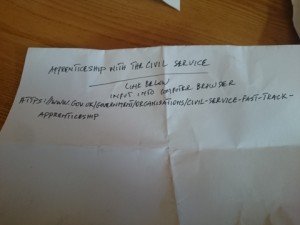
Other examples (of the many) I’ve witnessed first-hand include a man with learning and literacy difficulties who was given an impossibly long civil service url to type into a website on a computer he couldn’t use to apply for a job he’d never get. That was at Wood Green jobcentre. He and I just sat staring as his jobcentre adviser wrote the url out:

There was the Northampton man I wrote about in detail last year who was told to leave his PIP face-to-face assessment. He’d become angry and upset – he couldn’t cope with the pressure of the face-to-face assessment on account of his Asperger’s and mental health problems. No adjustments were made for him at that point. He was sent this Failure to Comply letter.

Last week, I posted a video I made of a woman with learning and literacy difficulties being told to leave Kilburn jobcentre when she attempted to drop in a sick note.

There is an extraordinary lack of expertise at times.

Is there too much focus on student loans, credit cards and other “middle class” debt?

A few thoughts on Labour’s plans to cap credit card interest payments to ease card debt:

I feel that the debt troubles of a particular group of people are being sidelined in the recent flurry of mainstream news stories about debt (have written about this in detail in recent times)

We’re hearing a great deal in the mainstream about student loans and student debt, and about credit card and car payment debt  – debt that particularly concerns the middle and voting classes, as people on twitter have observed.

We’re hearing a lot less about the debts that are crushing people who are most marginalised:

Examples of those debts and costs:

– The council tax debt and outrageous court costs that are added to debts when people are summonsed to court for council tax non-payment

– The bailiff costs that rise by tens and hundreds of pounds each time a bailiff hammers on a door to demand council tax and other debt repayments

– The impossible landlord demands for rent shortfall money when housing benefit or Universal Credit don’t cover escalating rents

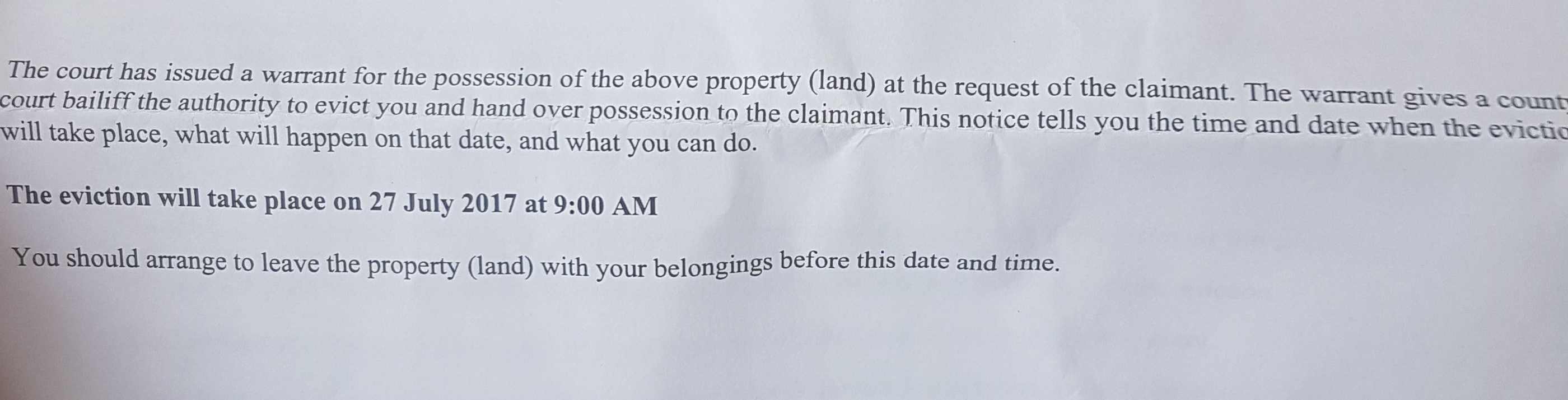
– The exorbitant court charges people must pay when eviction battles go to court (£355 for a woman on Income Support in this example).

– The DWP deductions from benefits for loans and advance payments that people must request to cover costs, Universal Credit start delays and all the rest.

– The sudden loss of income when Employment and Support Allowance recipients are found fit for work and told their ESA payments will stop.

Student loan debt and credit card debt are of course important topics. They’re not exclusive to the middle and/or voting classes. They just affect people who have a voice and use it. My point is that the crushing council tax demands, rent shortfall problems, benefit stops and delays, and court costs that keep the poorest people in debt are equally important. Payday loan regulation hardly addresses those problems.

If we’re going to talk about devastating debt which destroys lives, let’s include everyone in the discussion. Policy must be written for people who are the most marginalised, as well as people who are likely to vote. Such policy should be promoted and publicised as enthusiastically as any call for a card interest cap.

Throwing marginalised people a lifeline is not “being soft on welfare,” you know. It’s being humane – and fiscally responsible, I would have thought.

It’s disgusting that people most in need are excluded from help by useless benefits application systems

And I’m back…with another example of the flawed and downright nonsensical systems people must use to apply for benefits.

This post is about an application for Personal Independence Payment. What a drawn-out mess this one has been:

Regular readers will know that I’ve written several articles this year about Paul, an Oldham man in his 60s. Paul has a heart condition and a defibrillator implant. He has problems with pain and walking, and depression.

Paul is also homeless – or as near to homeless as people can be without actually sleeping on the street. When we first met this year, Paul was living in a tiny, grotty, falling-apart static caravan on an Oldham campsite. First Choice Homes, the local homelessness office, considered Paul adequately housed in that caravan. More recently, Paul’s been living in temporary hotel accommodation. He was moved, because a man living on the caravan site threatened him. I mention Paul’s housing situation, because unstable, insecure housing has a real bearing on people’s attempts to claim benefits. We’ll get to that.

Let’s look at the dreadful PIP application “system” as Paul has experienced it. A person of Paul’s age and with his health and housing problems should NOT have to struggle as he has to get support. Nonetheless, this often-hopeless PIP application system is considered adequate for sick and disabled people who are most in need. This has to change. Now.

Until the end of last year, Paul received Disability Living Allowance. In December 2016, the DWP sent Paul a letter to say his DLA would end (DLA is being phased out and pretty much everyone will have their DLA claim closed and have to apply for PIP). Paul had to apply for the new Personal Independence Payment if he still wanted disability support.

Applying for PIP meant Paul had to take these steps:

– Request an application form

– Gather medical certificates and doctors’ letters to support his application

– Attend a face-to-face assessment to explain to an assessor why he should receive PIP.

You may think these steps were/are straightforward. They are not.

Paul experienced four major problems with his application:

– The DWP didn’t know which papers it had received from him. This confused and concerned Paul greatly, because he’d posted sensitive medical information

– Paul wasn’t sent a date and time for a face-to-face assessment. He says he was never told that an assessment date had been set. The DWP closed his claim for missing the face-to-face appointment he didn’t know about. Paul was denied PIP and had to start his application again. He had no recourse. (I’ve been in touch with another person who had a similar experience. John Pring at Disability News Service has reported on this problem in detail).

– A second face-to-face appointment for the second claim was cancelled at the last minute. This set Paul’s application back another fortnight.

– Texts that Paul received from the DWP made absolutely no sense. Two texts said the DWP hadn’t received Paul’s application forms – forms he’d sent. Shortly after those texts arrived (half-an-hour after in one case), Paul received texts which said the DWP actually HAD received the forms. I’ve seen these texts. This “no, we haven’t received your sensitive information – oh, hang on, yes, we have,” stuff really upsets people who must trust these bureaucracies with sensitive medical details. Continue reading

Student debt dominates debate – but where’s the political sympathy for people crushed by council tax debt, DWP loans, rent arrears and sanctions debt?

I have an article on the debts people owe in austerity at politics.co.uk today:

Student debt dominates headlines – but why don’t we hear arguments for writing off debt for people who austerity has crushed with council tax charges, DWP loan repayments, sanctioned benefits, rent arrears, court fines and all the rest? Where’s the political sympathy for writing off debt for these people? Where are the headlines for that?

“Staying housed, battling bailiffs, fighting councils for housing, sorting out benefit sanctions and paying rent arrears, fines and DWP loans really is a full time job. Benefits are constantly threatened and sanctioned by the DWP. Housing benefit and paying rent becomes a mess when people shift their claims to Universal Credit. People end up with rent arrears because their local housing allowance doesn’t cover their private sector rent. They are charged court costs for eviction and struggle to get council help for a new place… People are paying council tax arrears. They’re paying back loans to the DWP which go on and on. The letters and demands pour through the door. They’re in hock to the state and its providers forever. That’s the point. The system isn’t helping these people. It owns them. They can’t get out, because they’re not allowed out. It’s time that the political class stopped insisting they try.”

Read the rest here.

Why does it take the DWP so long to process sick notes? Why must people put up with such useless systems?

Feel free to email your views and experiences on this if you don’t want to leave a comment. I know many of you have canvassed this topic in recent times:

In the past fortnight, I’ve called the DWP’s 0345 600 0723 Universal Credit line twice to ask about the best place to send the sick notes (DWP calls them fit notes I think) which excuse benefit claimants from jobsearch activities. Sick notes are crucial when a Universal Credit claimant is sick or injured. They explain why people can’t work or carry out jobsearch activities. Benefits can be sanctioned if people miss job activities without a medical note.

Problem is this. People raise concerns with me about sick notes and other communications to the DWP not being properly recorded, or taking ages to process, or being processed out of order, or apparently not even arriving when posted to the DWP. God knows what’s going on with all of this. You should see the masses of paperwork that goes to and from the DWP and benefit claimants. Keeping track is a nightmare.

Last week, I called the DWP after speaking to a volunteer at South Chadderton foodbank. Her 40-year-old son had his Universal Credit sanctioned in June. He’d been about to start a warehouse job in May when he broke his wrist. His sick note from his doctor should have excused him from the placement and jobsearch activities. Something went wrong. He was sanctioned. His mother wondered if there’d been a problem with the processing of his sick note. Nobody was sure at the time of interview. The DWP still hadn’t sent a letter explaining the reasons for the sanction. People were still trying to guess what had happened.

Because I’d spoke to this woman and because others have raised this issue, I decided to call the Universal Credit line to ask general questions about the best place to send sick notes. I especially wanted to know if people everywhere could drop their sick notes in at their jobcentres, or if they should send them in to the DWP’s Freepost address.

Four points emerged from those phone calls (one made on 14 July and the other on 17 July). All four were cause for concern, so I’m putting them here. Feel free to weigh in.

1) The DWP seems to have a sick-note processing backlog of some description, so claimants must allow time for sick notes to be processed. The officer I spoke to last Monday said that UC claimants should allow up to seven days for sick notes to be processed: “because obviously they’re [staff are] so busy.” People online report delays of ten days for DWP mail processing.

That “obviously they’re so busy,” is a line I’m sick of hearing. Why are delays in this area considered so acceptable? Why must benefit claimants always wait and wait before their information is dealt with? The people who use these so-called systems are on extremely limited incomes. Those incomes depend on the right paperwork getting to the right people IMMEDIATELY. Everything can go wrong if it doesn’t. Claimants could be sanctioned if they missed a jobsearch activity while an explanatory sick note was stuck in a pile. If there are processing delays because staff are “so busy,” someone needs to hire more staff.

Continue reading

You won’t get PIP because you failed to attend a face-to-face assessment you didn’t know about. What.

Be interested to hear if this has happened to others:

I’m working at the moment with a man whose Disability Living Allowance was stopped in April this year.

He applied for Personal Independence Payment, but says he never received a letter or a text to tell him when his face-to-face assessment for PIP would be.

What he did receive a couple of months later was a letter to tell him that he wouldn’t get PIP because he didn’t attend the face-to-face meeting. As he says – he didn’t attend the face-to-face assessment because he didn’t realise that it was on. He didn’t get a letter or a text telling him where and when it would be.

So he applied again. A time and date for a face-to-face assessment was set up for last Friday. I was going to attend the assessment with him. Unfortunately, that assessment was cancelled at the last minute, because the assessor called in sick.

Two people have told me that they’ve recently had this experience. They received a letter advising them that they wouldn’t get PIP because they didn’t attend a face-to-face assessment – a face-to-face assessment that they say they were never told about. In these cases, the part of the comms which tells people they’re not eligible for PIP seemed to work better than the part which tells people when and where to show up for eligibility tests.

It seems unlikely that either person simply chose not to attend. Applying for PIP is a form-filling nightmare. I doubt very much that anyone would go through all that and then not attend the face-to-face assessment when given a date and then apply for PIP again for the lulz.

Has anyone else out there had a similar experience? If you have and don’t want to leave details in the comments, feel free to contact me here.

Am also interested to hear from people who had their face-to-face assessments cancelled at the last minute.

Making people wait for PIP assessments and payments really is rubbish

Was meant to go to a PIP assessment with someone this morning.

The assessment was cancelled at the last minute because the assessor called in sick. Guy I was going with has to wait another fortnight now for another assessment appointment. He hasn’t had any DLA or PIP money since April due to one stuff-up after another.

On it goes. Or doesn’t go, I should say. While Brexit and party-political shenanigans suck up headlines, attention and resources, real life for real people who must use public services, benefits and support systems continues to be something of a challenge.

People sent by councils out of London like this will be parked on benefits for life. Is that the actual aim.

Here are a few thoughts on the council trend to force homeless people out of London AND on the supremely unhelpful council homelessness system that people must battle through to get any housing help at all:

Regular readers will know I’ve been writing about Chantelle Dean, a 32-year-old woman who is about to be evicted from her private-sector rented flat in Newham.

Chantelle’s landlord wants the flat back, so Chantelle must leave. She’s just received her final eviction notice. The bailiffs will be round to throw her out on 27 July. Newham council won’t help Chantelle with emergency housing until that day:


Two points to put to you today:

1) Sending Chantelle to live out of London makes absolutely no sense – unless the aim is simply to get poor people out of rich people’s faces 

Chantelle has good reasons for wanting to find another flat in London. She has a three-year-old son who starts school in September. She receives Income Support at the moment. She wants to give herself the best chance to find work and training when her son starts school. Chantelle’s mother lives in Newham and can look after Chantelle’s son for free. Still, the council has told Chantelle to look for flats out of London (you can read email exchanges on that subject here). That’s because Chantelle will struggle to pay the inevitable shortfall between her housing benefit entitlement and expensive Newham rents.

So.

I’ve said it before and I’ll say it again: moving mothers with young children to places where they’re a long way from work and free childcare is a very sinister move.

The concept is a cruel nonsense by definition. If you send people who have no money away to live in areas where there is less work and no family nearby for free childcare, you cut people off from opportunities as a matter of course and they disappear. No doubt that’s the idea – Out Of Sight, Out Of Mind and all of that. Continue reading